
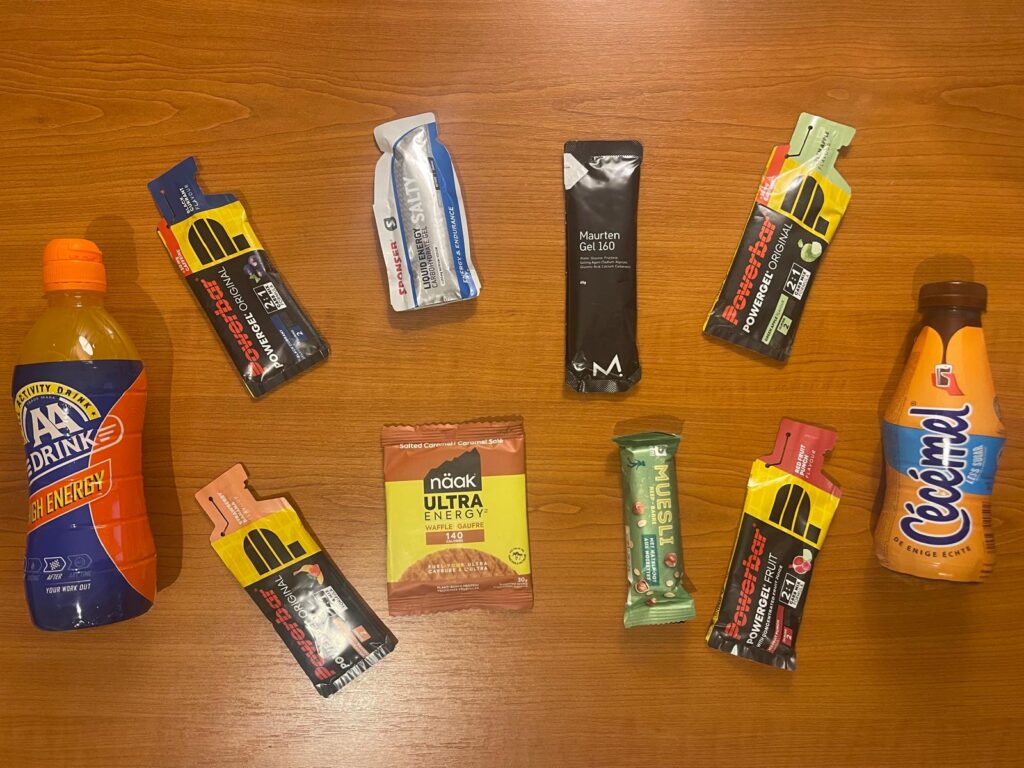
This post contains affiliate links. If you click and buy, I may earn a commission at no extra cost to you. I only recommend brands and products that I personally trust and believe in.
Running seems simple at first until you actually start learning about it. Plans, rules, and opinions quickly start to pile up. If you’re new to running, feeling overwhelmed is completely normal.
That’s why I laid out the fundamentals in The Ultimate Beginner’s Running Guide and expanded on key topics in a few supporting posts, so you can focus on what really matters.
But here’s the good news: at the beginning, you don’t need to stress too much about nutrition. You just need a basic understanding so running feels good — not confusing.
In this post, I will walk you through the simple fueling habits that matter right now, what you can add later, and how to avoid the mistakes most of us make (including me). As always, everything is practical, beginner-friendly, and based on real experience.
1. Fueling Before, During and After Your Runs
Table of Contents
ToggleAs you grow into your identity as a runner, “eating” slowly starts to feel more like “fueling.”
You begin to look at food differently — not as something to stop hunger, but as something that supports your next run. I like to joke that runners eventually develop gym-bro vision when looking at food… but like most jokes, there’s a bit of truth in it.
To keep things simple, I break fueling into three parts: before, during, and after a run.
Before Your Run
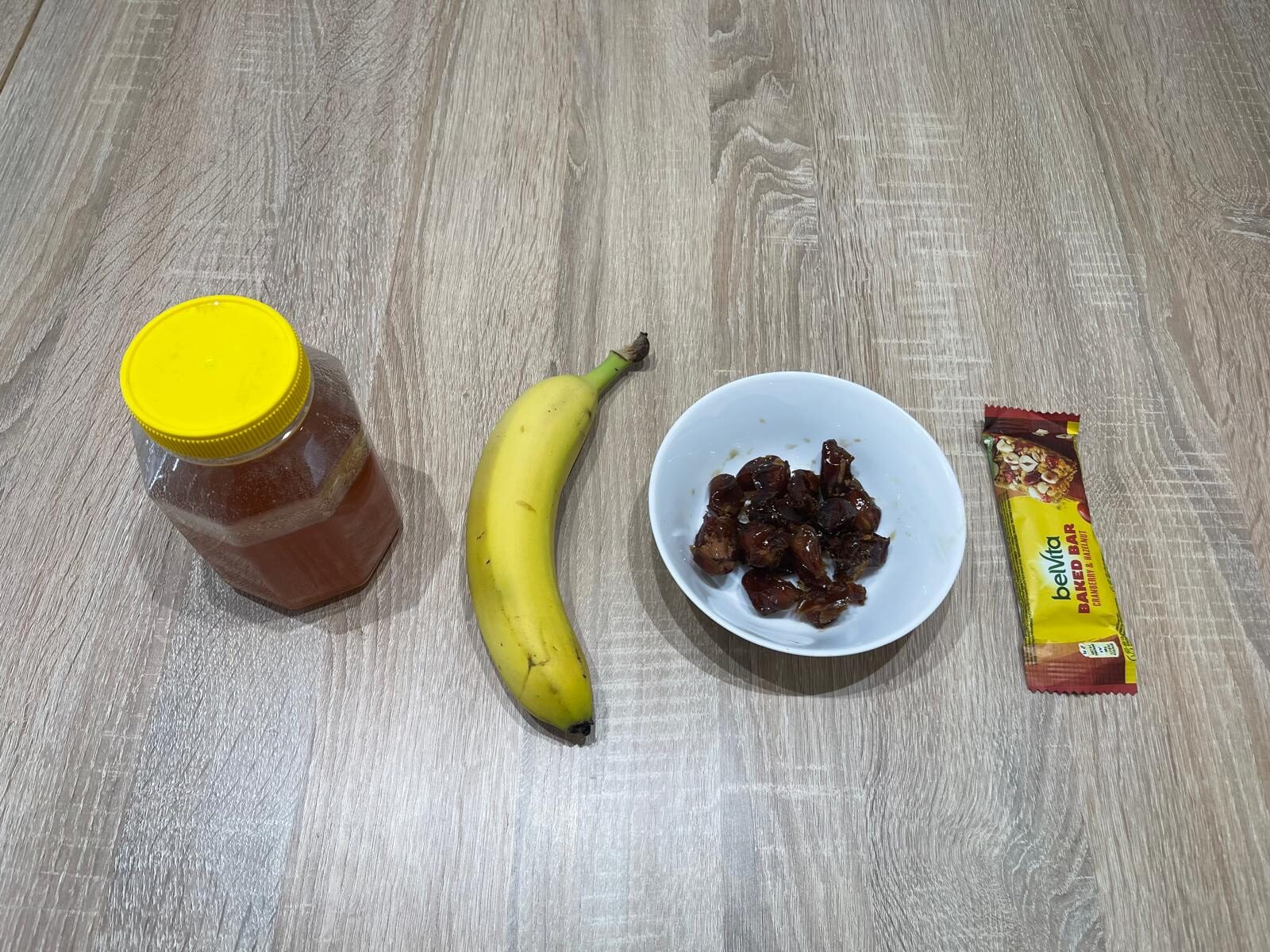
Before you head out, it helps to have a little bit of simple, easy-to-digest carbs:
- a banana
- a slice of white toast with honey
- a cereal or sports bar
- a small handful of pretzels
- a few dates
Avoid heavy meals and high fiber — your stomach will thank you.
Full honesty: I often run very early before work, and I break this rule. I usually run without eating anything, but my body is used to getting a few calories from my coffee and supplements. I don’t recommend this for beginners.
My weekday runs are short (up to about an hour), but before weekend long runs, I always eat something.
During Your Run
If you’re running more than 90 minutes, fueling becomes essential.
When I restarted running, I didn’t drink or eat anything during my runs for months. At the time, I didn’t realize how bad that was — I just thought it was normal. It was only later, when I started training properly and experimenting with fueling, that I understood the difference. Suddenly I had more energy, pacing felt easier, and my recovery was much faster.
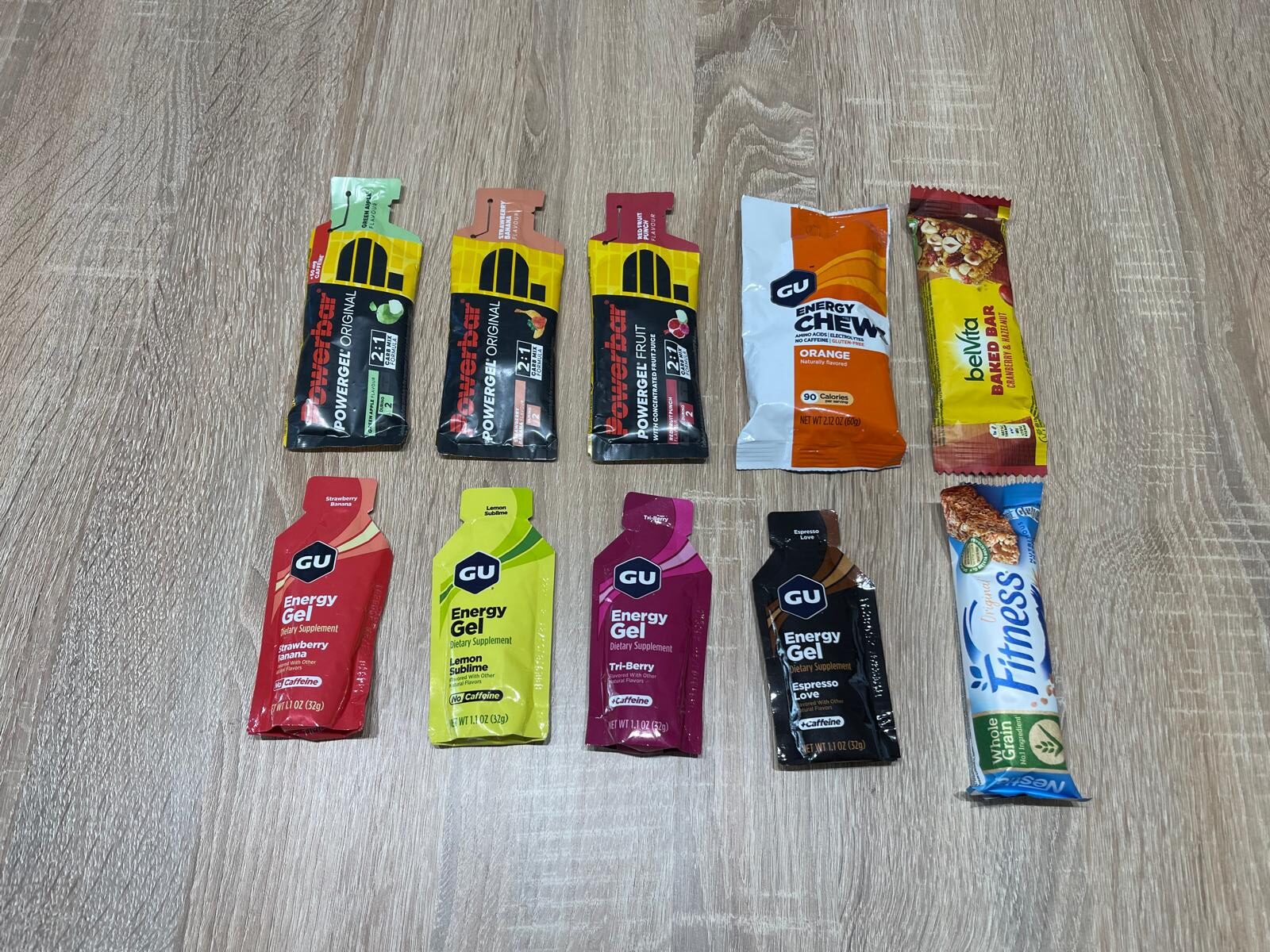
I tried plenty of things: gummies, cereal bars, gels, (Sponser, PowerGel, SiS GO Isotonic Gel, Näak Gel, Maurten Gel), sports drinks. They all do the same thing: give you quick energy when your glycogen tank starts to empty.
Simple fueling options I’ve personally tested:
- PowerGel – cheap, widely available, strong taste
- SiS GO Isotonic Gel – very easy to digest, no water needed
- Maurten Gel – very easy on the stomach
- GU Energy Gel – widely used, easy to find, beginner-friendly
Beginner-friendly gel alternatives:
- Clif Bloks – chewable option for people who dislike gels
- Honey Stinger Gel – simpler ingredients, mild taste
I haven’t personally tested all of these, but they’re widely used by runners and follow the same fueling principles discussed above.
The key is to start fueling early, before fatigue hits.
Since every stomach reacts differently, experiment on easy runs — ideally close to home, because emergency bathroom breaks are a rite of passage.
After Your Run
After a run, your body has three priorities:
- Carbs → refill energy
- Protein → repair muscles
- Fluids → rehydrate
Right after finishing, I like something quick to kick-start recovery:
- Greek natural yogurt with forest fruits and oats (avoid supermarket cereal mixes — they’re loaded with sugar)
- a protein bar
- a simple sandwich
- chocolate milk (my personal recovery weapon)
After really long efforts, I sometimes use whey protein and electrolytes.
But the best recovery happens when you follow that quick snack with a proper meal not long after.
If I run in the afternoon, nothing beats a good steak — easy protein, satisfying, and it brings me back to life. Obviously not my breakfast choice after a morning run, but later in the day it’s perfect.
And yes…chocolate milk still wins as the ultimate post-run drink.
Chapter Summary: | Fuel before the run to start strong, fuel during long efforts to keep energy up, and fuel after to recover better.
Tip: Try a few different pre-run snacks and keep a mental note of how your stomach reacts — consistency beats perfection.
2. Hydration and Electrolytes: More Than Just Water
Hydration seems straightforward… until you start running. Most beginners either drink too little or way too much. The truth is in the middle: sip regularly, stay consistent, and don’t overthink it.
When I restarted running, I barely drank during my runs — and it wasn’t a great idea. Even now, I skip water on runs under an hour unless it’s hot, and sometimes I still pay the price.
When you bring water, take small sips every 10–15 minutes. Nothing dramatic — just enough to stay fresh. Don’t wait until you’re very thirsty, but also don’t force water.
On long runs or hot days, your body loses electrolytes through sweat. That’s when things like sodium, magnesium, and potassium matter — they help regulate balance and prevent cramps.
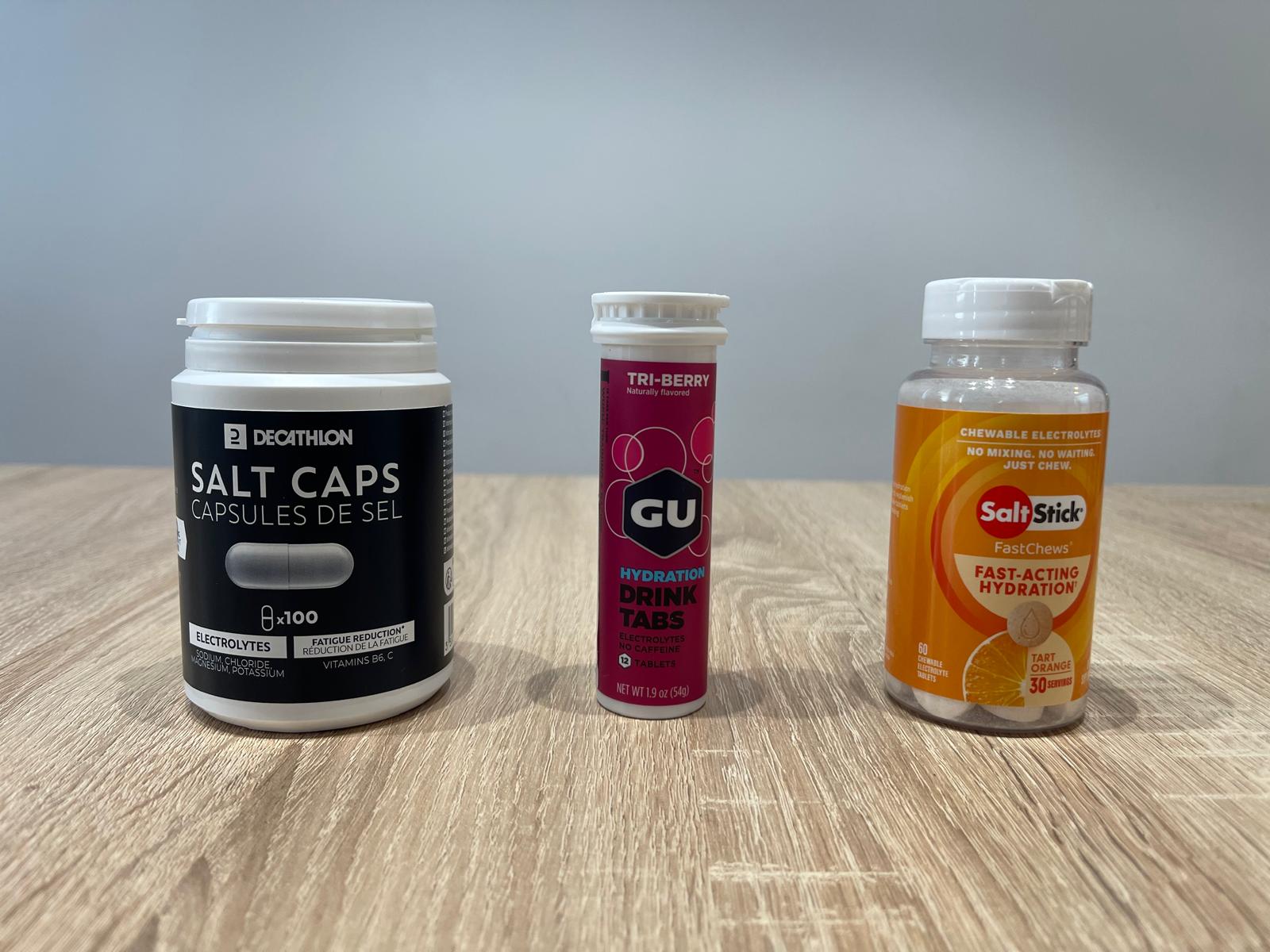
Electrolytes come as tablets, powders and they’re also already included in some gels. Common examples include tablets like Nuun or High5, and powders like Tailwind or Maurten Drink Mix.
I personally use the Decathlon salt tablets, GU Hydration Drink Tabs, and SaltStick FastChews. Just keep track of what’s in your fueling so you don’t overload or accidentally neglect electrolytes.
Hydration doesn’t need to be perfect — just consistent.
Chapter Summary: | Sip regularly, keep hydration simple — and replace electrolytes on long or hot runs.
Tip: If your sweat leaves white marks on clothes, you’re probably losing a lot of sodium — consider adding electrolytes.
3. Supplements and Carb-Loading for Races
As a beginner, you don’t need supplements to run.
When I started, I didn’t fuel, didn’t take anything — I just laced up and went out. For short runs, that’s absolutely enough.
As my training increased and life stress didn’t magically disappear, I eventually needed a little support. And that’s exactly what supplements are: support, not replacements for food.
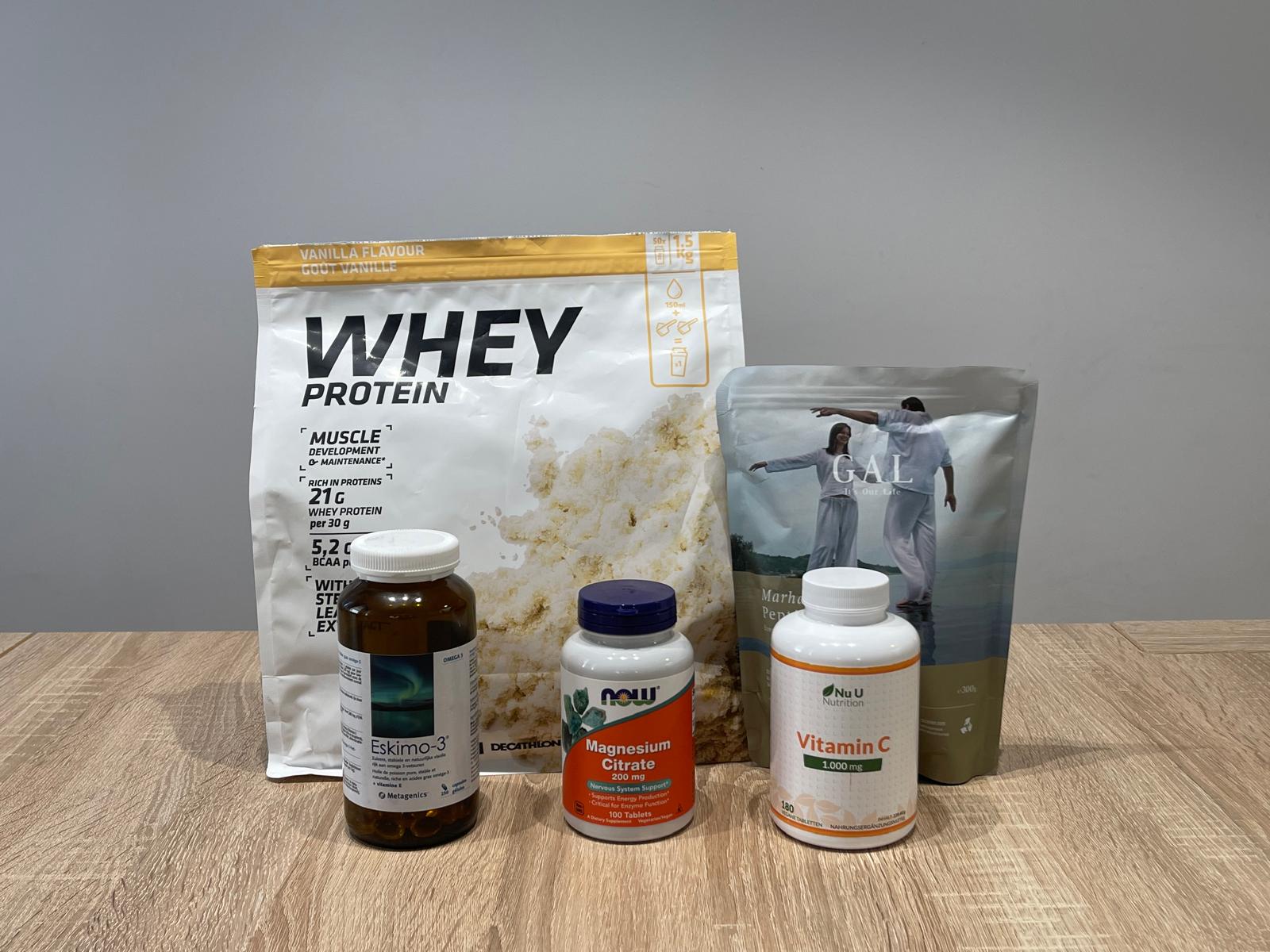
I’m always experimenting with different brands and products to find what works best for my training and recovery — these are the supplements I’m currently using:
- Collagen peptides
- Vitamin C
- Omega-3 fish oil
- Magnesium
- WHEY protein
Before a race, it’s a good idea to replenish your energy stores by carb-loading 1–2 days before. This doesn’t mean stuffing yourself with pasta. It simply means shifting your meals: more carbs, fewer fibers, fewer heavy proteins.
Simple, easy-to-digest, nothing exotic.
And the classic rule remains true:
Nothing new on race day.
Not new gels, not new breakfast, not new supplements.
If all this sounds complicated, don’t worry — you only need the basics.
Chapter Summary: | Supplements are optional — carbs are key. Carb-load smartly, and never try something new on race day. For electrolyte needs during runs, see the hydration section.
Tip: When in doubt, stick with real food and simple meals before a race.
4. Common Fueling Mistakes (And How to Avoid Them)
No runner gets fueling right at the beginning — definitely not me.
Here are the big mistakes I learned from:
Mistake #1: Not eating before runs
For a long time, I didn’t eat anything before running, and the second half of my runs often felt heavy, slow, and tiring. Now I avoid long runs early in the morning, when it’s too early to feel hungry or want food, and I perform much better.
Mistake #2: Fueling too late
At first, I’d bring a sports bar… then eat it only when I was already starving. Solid food digests slowly, so it never helped in time. Lesson learned: start fueling early.
Mistake #3: Not bringing water
Skipping water left me tired, thirsty, and sometimes with headaches. Water doesn’t just hydrate — it helps cool your body. If it’s hot or you’re going long, water is your friend.
Mistake #4: Eating “whatever” after long runs
After long runs and races, I used to eat anything I found. I felt terrible for days. Good recovery nutrition dramatically reduces the “post-run hangover.”
Bonus Mistake: Trying new foods… or overthinking everything
I avoided these thanks to early advice, but many runners struggle with them. Trying new foods or gels during a run can cause GI issues. Overthinking your fueling plan can make you so stressed that you avoid fueling entirely. Stick to the basics, practice in training, and keep race day simple.
Chapter Summary: | Fuel early, hydrate properly, refuel after — avoid random eating or skipping fuel.
Tip: Plan your fueling night before long runs — that removes most guesswork.
Bonus Tip: Don’t buy new fueling products in bulk. Test one first, then stock up only if it works for you.
5. What to Eat Before and After Your Runs (Without Overthinking It)
Fueling doesn’t need to be fancy. Your body just needs the right energy at the right moment — and the simpler you keep it, the more likely you’ll stick to it.
Before Your Run
If you run early, you may not feel like eating — normal. For short, easy morning runs, fasted running can be fine.
But if you’re going longer than 60 minutes, or you tend to fade, give your body a little boost.
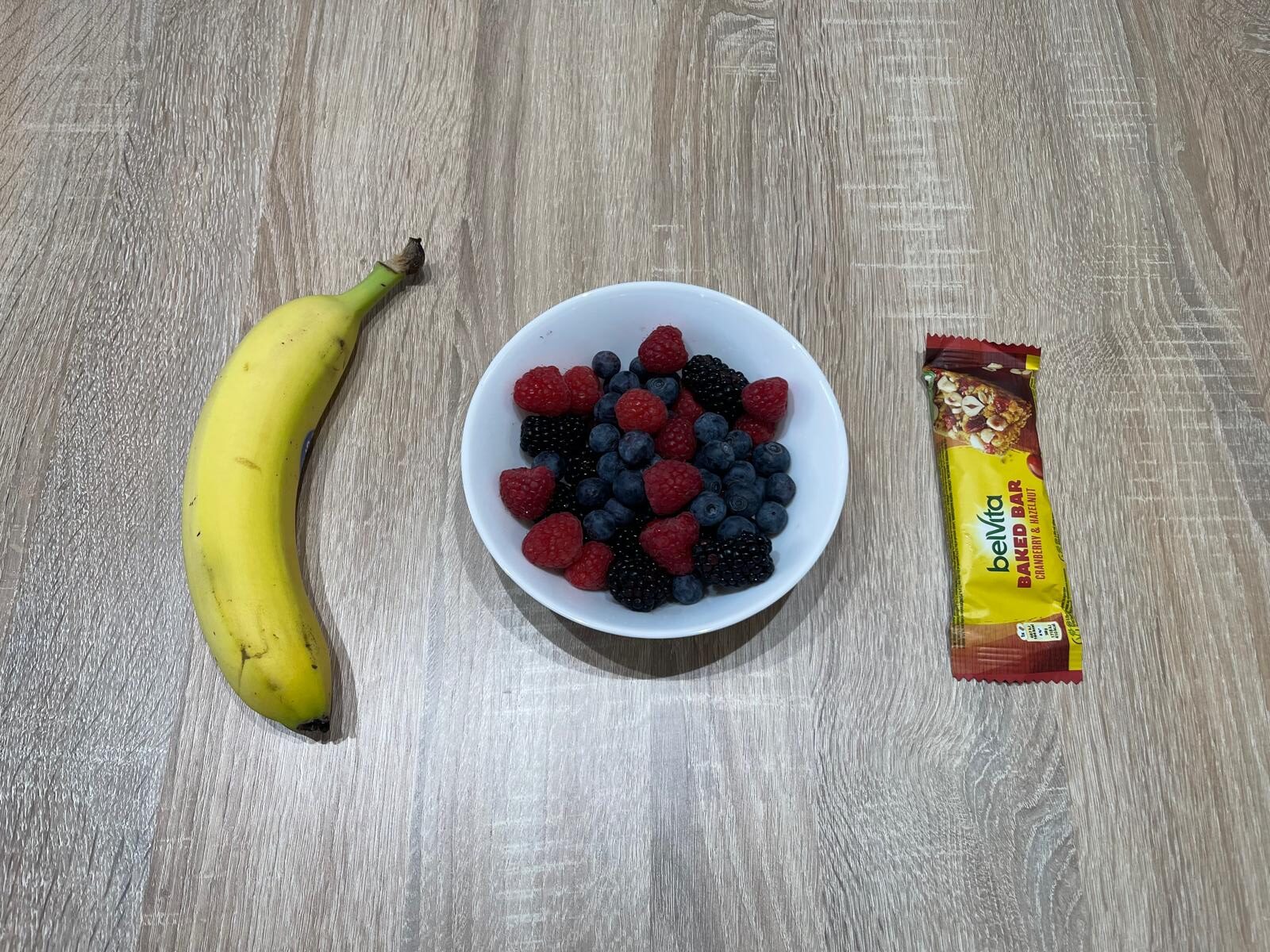
Easy, gentle carbs:
- a small banana
- a slice of bread with jam or honey
- a handful of forest fruits
- a sports bar
All simple. All gentle on your stomach.
After Your Run
I usually grab something quick to start recovery, but the real benefit comes from a proper meal not too long afterward.
My post-run formula is always:
- Carbs → energy
- Protein → repair
- Fruits/veg → vitamins
- Water → rehydration
- Electrolytes (after long or hot runs)
Depending on the time of day:
After afternoon runs
A good steak with potatoes or rice + a salad. Perfect recovery.
After morning runs
A steak at 8:00 a.m.? No thanks.
I go for lighter options like:
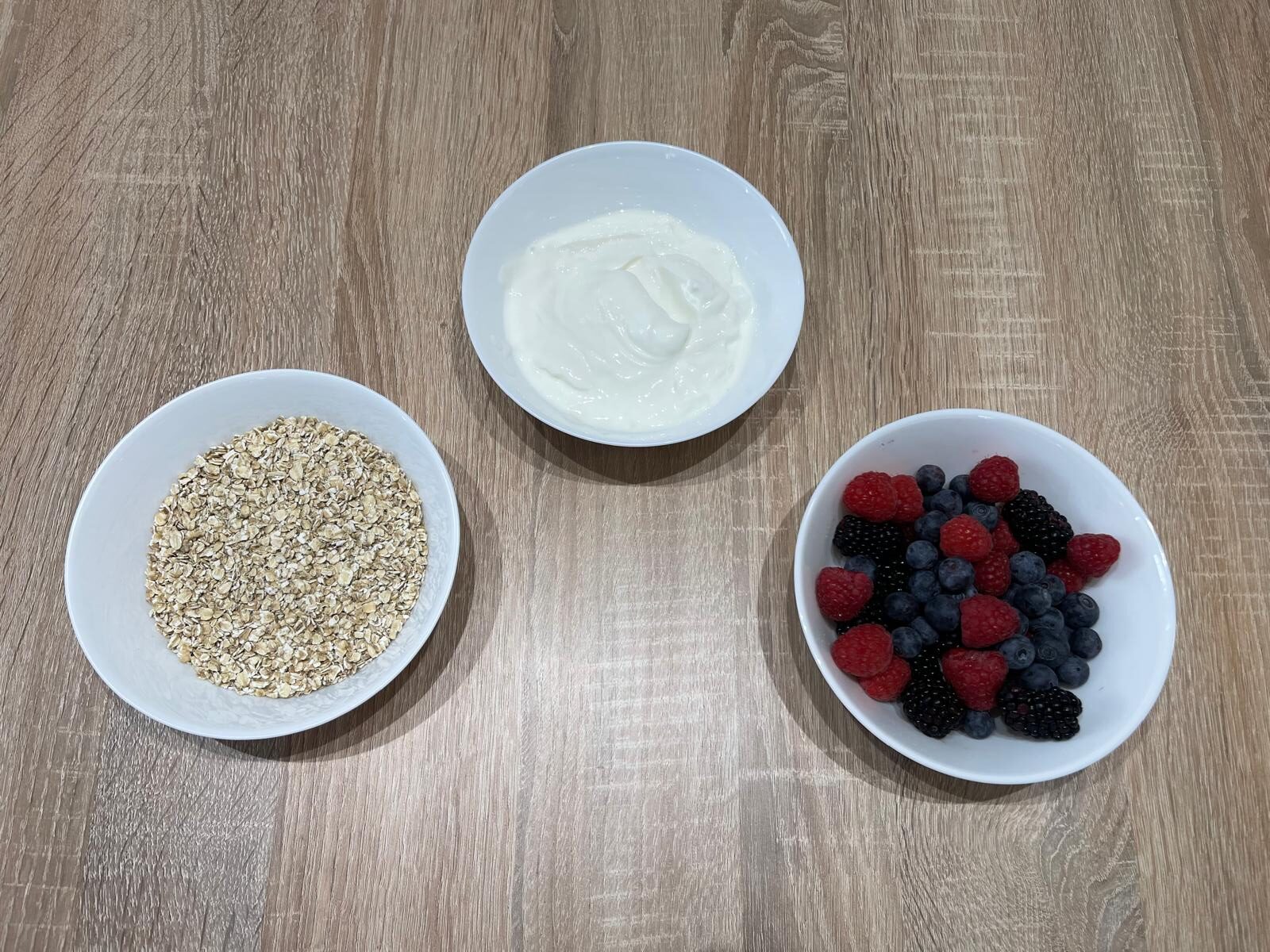
- Greek yogurt with forest fruits + oats
- eggs on toast
- a bowl of oats with fruit and honey (but eating this before a run would put me in GI trouble)
The One Thing That Matters Most
Don’t stress about perfect timing. Just don’t wait hours to eat after a run, and don’t rely only on a tiny snack after a long effort.
Your body worked. Take care of it.
Chapter Summary: | Simple carbs before; balanced meals after — keeping it familiar helps you stick with it.
Tip: Pack your post-run snack or meal the night before — especially helpful after tired runs.
6. Running Nutrition FAQ
Q: Should I eat before every run?
A: Not always. For easy runs under 45–60 minutes, running fasted is okay. For longer efforts, a small snack helps prevent that late-run energy crash.
Q: What’s a good pre-run snack?
A: Simple carbs: a banana, toast with honey, a sports bar — low fiber, easy to digest.
Q: Should I drink during my runs?
A: Under an hour, you’re usually fine without. On longer or hot runs, sipping regularly makes a big difference.
Q: When should I start fueling during a run?
A: For runs longer than around 90 minutes, start fueling early — don’t wait until you’re already hungry or thirsty.
Q: What should I use for long-run fueling?
A: Gels, gummies, bars, sports drinks — whatever your stomach tolerates. Experiment in training.
Q: Do I need supplements as a beginner?
A: No. Supplements begin to matter only when training gets longer or more demanding.
Q: What is carb-loading?
A: Increasing carbs and reducing fiber/protein 1–2 days before a race. Nothing extreme. And never try anything new on race day.
Q: What should I eat after a run?
A: Carbs + protein + fluids. Yogurt, a sandwich, chocolate milk.
Q: Is it normal to feel tired after a long race even with good fueling?
A: Yes. Good fueling helps recovery, but big efforts always take a toll.
Q: Can I drink coffee before running?
A: Yes — if your stomach tolerates it. I drink it before most of my morning runs.
Chapter Summary: | Quick, honest answers for common questions — no overthinking, just what works for most beginners.
Tip: Keep a journal of what you eat and how you feel — your body is your best guide.
7. Summary
Running nutrition doesn’t need to be complicated or perfect. You don’t need complex plans or fancy supplements — just simple habits repeated consistently.
A small snack before longer runs, regular sips when needed, basic fueling during long efforts, and a proper meal afterward — these already take you far.
You’ll make mistakes. I did too. But each one teaches you something useful.
Keep it simple, keep it gentle on your stomach, and listen to your body.
Fueling is just another part of the running journey — something you improve gradually, without pressure, one run at a time.
Chapter Summary: | Simple nutrition basics + consistency = better runs, smoother recovery, and less overthinking.
Tip: Don’t chase perfection. Build sustainable habits. Over time, fueling will become second nature.